You’ve found a sofa fabric that looks perfect in the showroom. But will it still feel comfortable during an Indian summer? What happens when someone spills chai on it, your children turn the sofa into their favourite play area, or the fabric starts showing signs of everyday wear?
Choosing upholstery fabric isn’t just about finding a beautiful colour or texture. It’s about finding something that looks good, feels comfortable and works for the way you actually live.
Whether you’re furnishing a new home, renovating your living room or giving an old chair a fresh look, the options can feel overwhelming. Chenille, velvet, bouclé, polyester, jacquard, leatherette—how do you know which one is right for you?
And with Indian summers, monsoon humidity, dust and sunlight to consider, choosing the right material becomes even more important.
The good news? You don’t need to be a fabric expert to make a confident choice.
This guide will help you understand the different types of upholstery fabrics, compare their advantages and limitations, avoid common mistakes and choose the right material for your sofas, chairs and headboards.
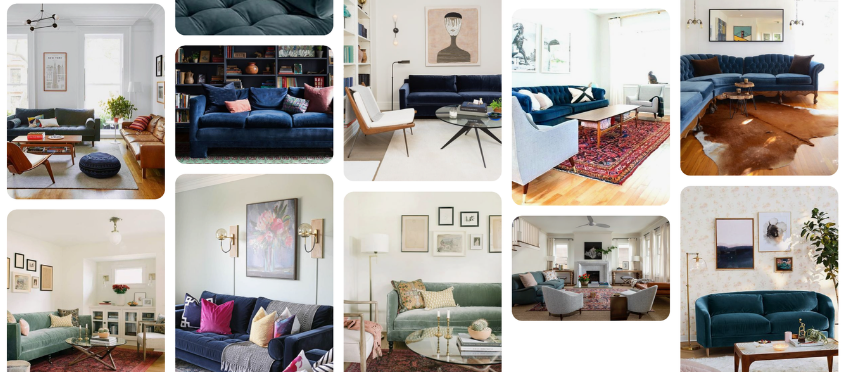
1. Start With How You Use Your Furniture
Before choosing a colour or falling in love with a texture, ask yourself one simple question:
How will this piece of furniture be used?
Think about it. The sofa where your family gathers every evening needs different qualities from an accent chair that’s used only when guests visit.
A beautiful velvet might be ideal for a statement chair, while a suitable, durable woven fabric could be a more practical choice for everyday family seating.
Here’s what to consider:
- Everyday living room sofa: Look for comfort, durability and manageable cleaning requirements.
- Formal drawing room: You have more freedom to explore rich textures, intricate patterns and decorative materials.
- Dining chairs: Prioritise easy maintenance, since food and drink spills are common.
- Accent chairs: Experiment with interesting colours, textures or patterns that complement your interiors.
- Bedroom headboards: Focus on softness, appearance and ease of dust removal.
Quick Guide: Which Fabric Should You Consider?
If you’re unsure where to start, this table can help narrow down your options.
Furniture | Fabrics worth considering | What matters most |
Everyday living room sofa | Suitable chenille, durable woven polyester | Comfort, durability and maintenance |
Formal living room sofa | Velvet, jacquard, textured woven fabrics | Appearance and suitable performance |
Dining chairs | Leatherette, easy-maintenance woven fabrics | Cleaning and everyday practicality |
Accent chairs | Bouclé, velvet, jacquard | Texture, colour and design |
Upholstered headboards | Velvet, chenille, textured woven fabrics | Softness, appearance and dust removal |
Home office seating | Suitable leatherette, durable woven or knitted fabrics | Comfort and regular-use durability |
These are starting points rather than fixed rules. A high-quality velvet can sometimes perform better than a poorly constructed polyester weave.
The first rule of choosing upholstery is simple: there is no single best fabric for every piece of furniture.
The right choice depends on your lifestyle, the furniture’s purpose and how much maintenance you’re comfortable with.
2. Understanding the Different Types of Upholstery Fabrics
Walk into a fabric showroom, and you’ll notice that fabrics are described in several ways.
Polyester, for example, describes the fibre used to make a fabric. Woven and knitted describe how it is constructed. Chenille, velvet and bouclé refer to particular yarn or surface characteristics, while jacquard describes a method of creating woven patterns.
These categories can overlap. A fabric can be made from polyester and still have a chenille or velvet surface.
Understanding these differences can make comparing upholstery options much easier.
Let’s explore six popular upholstery categories you’ll come across when furnishing an Indian home.
Chenille: Soft, Comfortable and Inviting
If you love the feeling of sinking into a comfortable sofa after a long day, chenille is worth exploring.
Known for its soft, plush texture, chenille gives furniture an inviting appearance and adds warmth to a room.
It works particularly well in contemporary living rooms, comfortable lounge seating and interiors where softness is an important part of the design.
Why homeowners like chenille:
- Soft and comfortable to the touch
- Available in different textures and colours
- Suitable for various sofa and lounge-chair designs
- Creates a cosy, welcoming appearance
What should you consider?
Some chenille fabrics may be prone to snagging, pilling or flattening with use. Their performance depends on the yarn, construction and quality.
For furniture used every day, check the fabric’s durability information and care instructions.
Explore the texture: Nandi Fabrics’ Coarse Weaves collection is an example of textured chenille upholstery. If you like a substantial woven appearance with a soft, inviting character, it’s worth exploring.
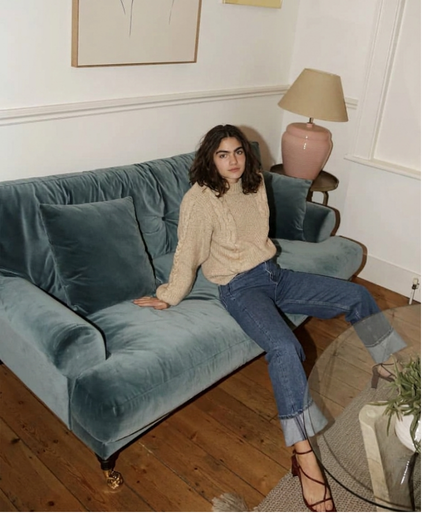
Velvet: Rich, Elegant and Timeless
Want your sofa or accent chair to become a statement piece?
Velvet is one of the materials worth considering.
Its distinctive pile creates a smooth, rich appearance that changes subtly as light falls on the fabric.
From deep emerald green and navy blue to burgundy and understated neutrals, velvet can bring depth and character to upholstered furniture.
Why homeowners like velvet:
- Adds richness and elegance to interiors
- Has a soft, luxurious feel
- Works with both modern and traditional furniture
- Offers a wide selection of colours
What should you consider?
Velvet may show pressure marks, changes in pile direction, dust and pet hair. Some varieties require more careful cleaning than others.
However, not all velvet is delicate. Certain upholstery-grade velvets are designed for regular use.
Explore the texture: Our Grace collection features polyester velvet with the distinctive rich surface associated with velvet upholstery.
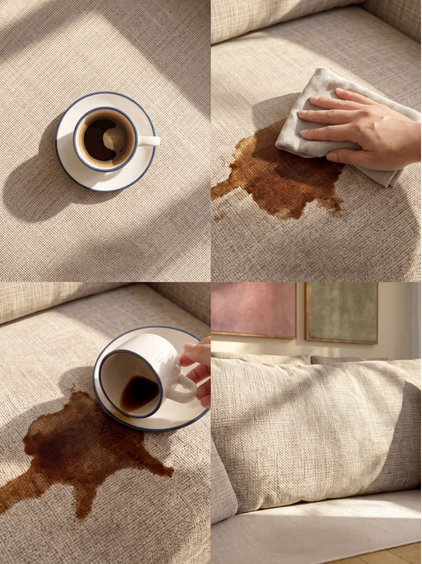
Polyester Knitted and Woven Fabrics: Versatile Everyday Options
If you’re looking for upholstery that combines design flexibility with everyday practicality, polyester fabrics are worth considering.
Polyester is widely used in modern upholstery because it can be manufactured in many textures, finishes and constructions.
Two common fabric constructions are woven and knitted.
Woven fabrics are made by interlacing yarns. Depending on their construction, they can offer a structured appearance and stability for upholstery.
Knitted fabrics are made using interlocking loops. They may be more flexible and stretchy, making certain constructions suitable for particular furniture shapes and applications.
Why consider polyester upholstery?
- Available in numerous textures and designs
- Offers options across different budgets
- Many constructions suit everyday furniture
- Can recreate the appearance of several textile surfaces
What should you consider?
Not all polyester fabrics perform the same way.
A tightly woven polyester fabric may behave differently from a soft knitted fabric. Construction, backing, finishing and test results are just as important as the fibre itself.
For furniture used regularly, look for suitable durability information and clear cleaning instructions.
Explore the texture: Our Titan Easy Clean collection is one example of polyester upholstery. When choosing easy-clean fabrics, always follow the specific product’s care instructions rather than assuming every stain can be removed.
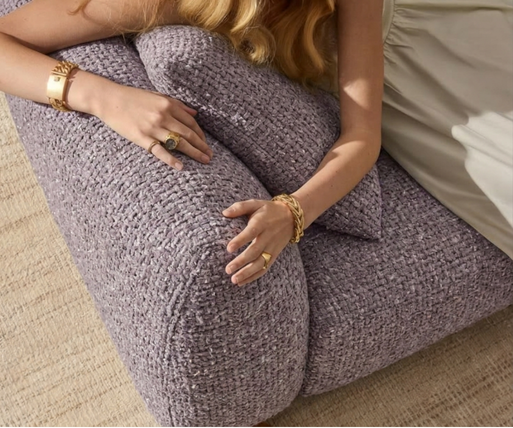
Bouclé: Textured and Contemporary
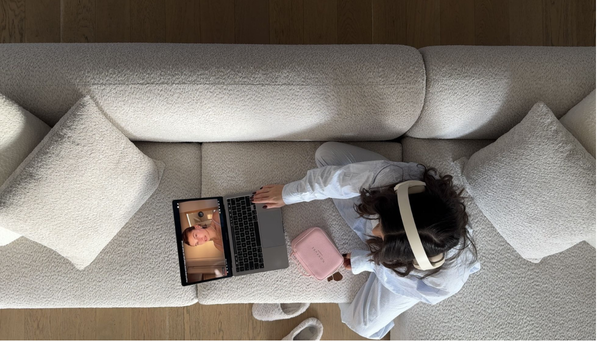
You’ve probably seen bouclé on curved sofas, accent chairs and contemporary furniture.
Its characteristic looped yarns create a soft, textured appearance that can make even a simple furniture design feel more interesting.
Bouclé works particularly well in minimalist interiors, where the texture itself becomes a design feature.
Why homeowners like bouclé:
- Adds texture and visual interest
- Complements modern and minimalist interiors
- Creates a soft, inviting appearance
- Pairs beautifully with wood, stone and natural-looking finishes
What should you consider?
Some bouclé fabrics have exposed loops that can catch on jewellery, sharp accessories or pets’ claws.
Their textured surfaces may also need extra attention during cleaning.
If your sofa is used heavily every day, pay close attention to the particular bouclé fabric’s construction and suitability.
Explore the texture: Nandi Fabrics’ Cocoon collection offers a bouclé texture in multiple colours for different interior styles.
Leatherette: A Leather-Look Alternative
Love the appearance of leather but want to explore other upholstery options?
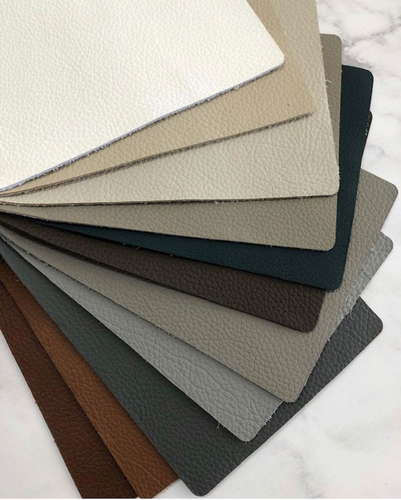
Leatherette, also known as faux leather or artificial leather, offers a leather-like finish and can be practical for furniture where routine surface cleaning matters.
Different leatherette products use different coating and backing materials, including PU, PVC and silicone-based constructions.
Why consider leatherette?
- Provides a leather-like appearance
- Often convenient for routine surface wiping
- Available in various colours and finishes
- Can suit dining chairs, office seating and selected sofa designs
What should you consider?
Leatherette may feel warmer than some woven fabrics, particularly in rooms without air conditioning.
Its long-term performance depends on coating quality, backing, exposure and maintenance. Lower-quality materials may develop cracks, peeling or surface deterioration over time.
For regular-use furniture, choose an appropriate upholstery grade rather than relying on appearance alone.
Explore the texture: Our Python and Gloria collections offer leatherette upholstery options for customers looking for a leather-like finish.
Jacquard: Woven Patterns With Character
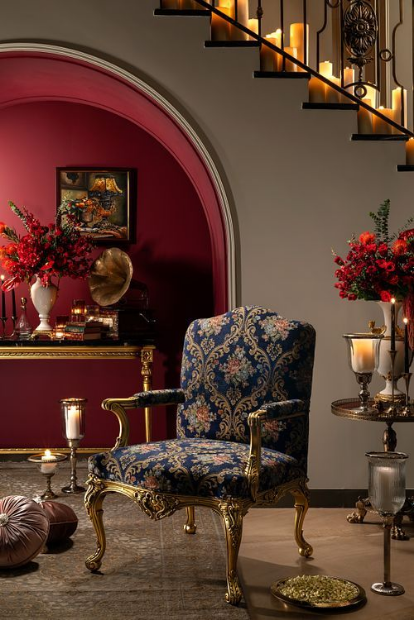
If you prefer furniture that has a little more character, jacquard fabrics are worth exploring.
Unlike printed designs, jacquard patterns are created during the weaving process itself.
This allows intricate floral, geometric and ornamental patterns, often with interesting combinations of texture and colour.
Jacquard can be particularly appealing in traditional drawing rooms, statement accent chairs and interiors where the upholstery is intended to become a decorative feature.
Why homeowners like jacquard:
- Offers intricate woven patterns
- Adds character to upholstered furniture
- Works with traditional and contemporary interiors
- Creates attractive accent pieces
What should you consider?
Not all jacquard fabrics perform equally under heavy use.
Elaborate patterns, long yarn floats and certain weave structures may need more careful handling. Check the construction and performance specifications before choosing jacquard for everyday seating.
Explore the texture: Our Royal Oak collection features decorative jacquard designs, including detailed floral and ornamental patterns that can complement traditional or statement interiors.
3. So, Which Upholstery Fabric Should You Actually Choose?
Now that you understand the materials, let’s put that knowledge to use.
Imagine a few common situations.
Your living room sofa is used by the whole family
You spend evenings watching television, children use the sofa regularly and guests visit often.
Start by exploring durable woven polyester fabrics or suitable chenille upholstery.
Pay particular attention to cleaning requirements, abrasion performance and comfort.
You’re furnishing a formal drawing room
Your furniture is used occasionally, and you’re looking for something that makes an impression.
Velvet, jacquard or decorative woven fabrics can help create a richer look.
You may have more freedom to experiment with colour, texture and pattern.
You’re choosing fabric for dining chairs
Think about spills, cleaning and everyday contact.
Suitable leatherette or easy-maintenance woven fabrics may be practical starting points.
You want a statement accent chair
An accent chair offers an opportunity to experiment.
Consider bouclé for texture, velvet for richness or jacquard for pattern.
The fabric can become a decorative feature without overwhelming the rest of the room.
You’re upholstering a bedroom headboard
For a headboard, softness, appearance and ease of dust removal are important considerations.
Velvet, chenille and textured woven fabrics can all work, depending on the design and maintenance requirements.
The key takeaway: Don’t choose your sofa, dining-chair and headboard fabrics simply because they look good together.
Choose materials that complement each other visually while performing appropriately for their individual uses.
4. Choosing Upholstery Fabric for Indian Weather
India’s climate varies considerably between cities and seasons.
A sofa in a naturally ventilated home in Delhi may experience different conditions from one in an air-conditioned apartment in Mumbai or a coastal home in Goa.
Here are four factors worth considering.
Hot Summers
During hot weather, comfort becomes especially important.
Think about how the fabric feels against your skin during long periods of sitting.
Some woven fabrics may feel more pleasant than certain coated materials in rooms without continuous air conditioning.
Monsoon Humidity
High humidity and poor ventilation can contribute to moisture-related problems in upholstered furniture.
Choose fabrics with suitable care requirements, maintain adequate airflow and avoid exposing furniture to persistent dampness.
Remember that the upholstery fabric isn’t the only factor. Foam, backing and furniture construction also influence how the finished piece responds to moisture.
Dust and Everyday Cleaning
Dust is a common concern in many Indian homes, especially those exposed to traffic and outdoor pollution.
If dust is an issue, consider how easily the fabric can be vacuumed.
Some heavily textured or looped surfaces may require more attention than smoother upholstery materials.
Direct Sunlight
That beautiful sofa beside your large living-room window may receive several hours of sunlight every day.
Over time, prolonged exposure can cause colour fading or other material changes.
Ask about the fabric’s lightfastness where possible, and consider curtains or blinds to reduce intense direct sunlight.
5. Best Upholstery Fabrics for Homes With Children or Pets
If your sofa is the centre of family life, choosing suitable upholstery becomes especially important.
A beautiful material that requires constant attention may not be the most practical choice for a household with young children or energetic pets.
For homes with children, look for:
- Appropriate abrasion resistance
- Clear and practical cleaning instructions
- Suitable stain-resistance properties, where available
- Colours or patterns that make everyday marks less noticeable
- Removable, washable covers where the furniture design permits them
For homes with pets, fabric construction deserves particular attention.
Tightly constructed surfaces may be less likely to catch claws than certain open or looped textures.
If your pets shed frequently, think about how easily hair can be removed and how visible it will be against the fabric colour.
Remember: No fabric is completely immune to scratching, staining or everyday wear.
The goal isn’t to find an indestructible fabric. It’s to choose one that fits your household’s habits and maintenance needs.
6. What Makes an Upholstery Fabric Durable?
Two fabrics can look almost identical in a showroom yet perform very differently once upholstered.
So how can you tell whether a fabric is suitable for everyday use?
A few technical specifications can help.
Abrasion Resistance
Abrasion resistance describes how a fabric performs under controlled rubbing tests.
One commonly used method is the Martindale test, which evaluates how a material responds to repeated abrasion under specified laboratory conditions.
When comparing upholstery fabrics, ask whether abrasion-test information is available.
Remember that a higher abrasion figure doesn’t automatically mean a fabric is better for every home.
Abrasion resistance is only one part of durability. It doesn’t independently establish resistance to stains, pilling, sunlight or other forms of damage, and it cannot reliably predict how many years a fabric will last.
Pilling Resistance
Have you ever noticed small balls of fibre forming on a sofa’s surface?
That’s known as pilling.
A fabric’s fibre composition, yarn construction and conditions of use can influence its tendency to pill.
Colourfastness
Colourfastness describes how well a fabric resists colour change or transfer under specified conditions.
Different tests assess resistance to rubbing, washing or light exposure.
This can be particularly important for furniture exposed to strong sunlight or frequent use.
Cleaning and Maintenance
Some fabrics can be cleaned using particular water-based methods, while others require specialised products or professional care.
Never assume every upholstery fabric can be cleaned using ordinary household detergent.
Following the supplier’s instructions can help prevent unnecessary damage.
The takeaway: Don’t just ask, “Is this fabric durable?”
Ask, “Is this fabric suitable for how I plan to use it?”
7. How to Choose the Right Upholstery Colour and Texture
The colour and texture of your upholstery can influence the atmosphere of an entire room.
Because sofas are often among the largest furniture pieces in a living room, their fabric can become a defining feature of the space.
For a Timeless Look
Consider neutral shades such as beige, taupe, cream, warm grey and brown.
These colours can create a versatile foundation for different interior styles.
For a Statement Piece
Deep green, navy blue, rust, burgundy and other rich colours can add personality and create a focal point.
A velvet accent chair or patterned jacquard piece, for example, can introduce visual interest without requiring bold colours throughout the room.
For a Balanced Interior
Try combining different textures rather than making every upholstered piece identical.
A simple woven sofa can work alongside more textured accent chairs.
A patterned jacquard chair can complement a plain sofa, while bouclé or velvet can introduce softness into a room with wood or stone finishes.
You don’t need every fabric to match perfectly.
Often, complementary colours and contrasting textures create a more interesting interior.
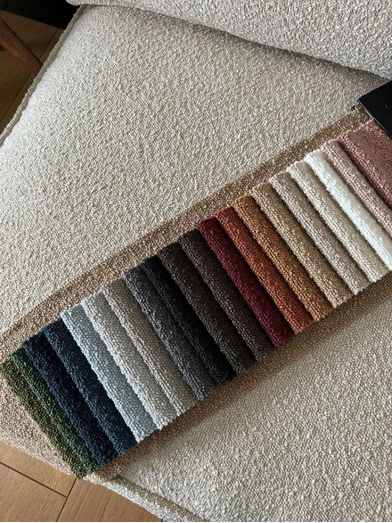
One tip that can save you from disappointment: Always check your fabric samples in your home’s actual lighting.
A shade that looks perfect under showroom lights may appear noticeably different in daylight or warm indoor lighting.
8. Seven Questions to Ask Before Buying Upholstery Fabric
Before making your final selection, ask your fabric supplier these questions:
- What’s the fabric made from? Understand its fibre composition and construction.
- Is it suitable for everyday seating? Confirm whether it’s intended for regular use or mainly decorative applications.
- Are performance test results available? Ask about abrasion, pilling and colourfastness where relevant.
- How should it be cleaned? Make sure its maintenance requirements suit your routine.
- Is it appropriate for my room? Think about sunlight, humidity, children, pets and frequency of use.
- How much fabric will I need? Check the usable width and confirm the required quantity with your upholsterer.
- Can I take a sample home? Examine its colour, texture and feel before placing a larger order.
If you’re purchasing fabric for multiple pieces of furniture, also check stock availability and possible colour variations between production batches.
A little extra attention at this stage can help you avoid choosing a fabric that looks beautiful in the showroom but doesn’t suit your home.
9. Common Mistakes to Avoid When Choosing Sofa Fabric
Even a beautiful fabric can be the wrong choice if it doesn’t fit your needs.
Here are five mistakes worth avoiding.
Choosing Only by Appearance
It’s easy to fall in love with a colour or texture.
But a sofa is something you sit on, touch and maintain regularly. Appearance should be considered alongside comfort and suitability.
Assuming Every Fabric of the Same Type Is Identical
Two chenille fabrics can have different constructions and performance characteristics.
The same applies to velvet, polyester, bouclé and leatherette.
Don’t judge a material solely by its name.
Ignoring Maintenance Requirements
Before choosing a fabric, think about how much cleaning and maintenance you’re realistically prepared to do.
Relying Only on Photographs
Online images are useful for exploring designs, but they don’t always accurately convey texture, softness or colour.
Inspecting a physical swatch is particularly valuable when making an upholstery decision.
Ordering Fabric Without Checking the Required Quantity
The amount of material required depends on furniture dimensions, fabric width, pattern repeat, design and cutting requirements.
Always confirm the quantity with your upholsterer before ordering.
10. Your Final Upholstery Fabric Checklist
Before finalising your choice, ask yourself five simple questions:
- Usage: How frequently will this furniture be used?
- Comfort: Does the fabric feel appropriate for my home and lifestyle?
- Durability: Is the construction suitable for its intended application?
- Maintenance: Can I realistically care for this fabric?
- Design: Does its colour, texture and pattern complement my interiors?
The best upholstery fabric isn’t necessarily the most expensive or fashionable.
It’s the material that brings together the right balance of appearance, comfort, durability and maintenance for your home.
Whether you’re furnishing a new house, refreshing your living room or giving a favourite chair a new look, understanding your options can help you make a more confident decision.
Take your time, compare textures, inspect samples and ask the right questions.
Because the right upholstery fabric shouldn’t just look beautiful on the day your furniture arrives. It should also suit the way you live with it.
Find the Right Upholstery Fabric With Nandi Fabrics
Every home is different, and so is the fabric that belongs in it.
At Nandi Fabrics, we offer a range of chenille, velvet, knitted and woven polyester fabrics, bouclé, leatherette and jacquards.
Whether you’re choosing fabric for a new sofa, refreshing your dining chairs or designing an upholstered headboard, explore our collections to discover the textures, colours and finishes that suit your space.
Explore Our Upholstery Fabric Collections
Not sure which material to choose? Get in touch with Nandi Fabrics to discuss your upholstery requirements.
Frequently Asked Questions
What is the best upholstery fabric for Indian homes?
There is no single fabric that’s best for every Indian home. Suitable woven polyester and chenille fabrics can work well for everyday family seating, while velvet, bouclé and jacquard offer other design possibilities. Consider your lifestyle, room conditions and the fabric’s specifications.
Is chenille or velvet better for a sofa?
Chenille is often chosen for its soft, textured feel, while velvet has a smooth pile and rich appearance. Depending on construction and performance, both can work well for sofas.
Is leatherette suitable for Indian homes?
Leatherette can be a good option if you want a leather-like appearance and convenient surface wiping. However, consider comfort in warm weather, coating quality and care requirements.
Are polyester upholstery fabrics durable?
Many polyester upholstery fabrics are designed for regular use, but durability depends on their woven or knitted construction, yarn structure, backing and finishing. Check the relevant performance information before buying.
Which fabric is best for an upholstered headboard?
Velvet, chenille, jacquard and textured woven fabrics are common options. Consider your desired appearance, softness, dust accumulation and ease of maintenance.
What should I check before buying sofa fabric?
Check its composition, intended use, durability information, cleaning requirements, colour and texture. Inspect a physical sample and confirm the quantity needed with your upholsterer.